Overview
In many riverine parts of Bangladesh, the monsoon season can turn daily travel into a hard problem. When roads wash out or boats become the only reliable route, school attendance drops and learning routines break. A simple idea helps close that gap: move the classroom onto the water.
The floating school model
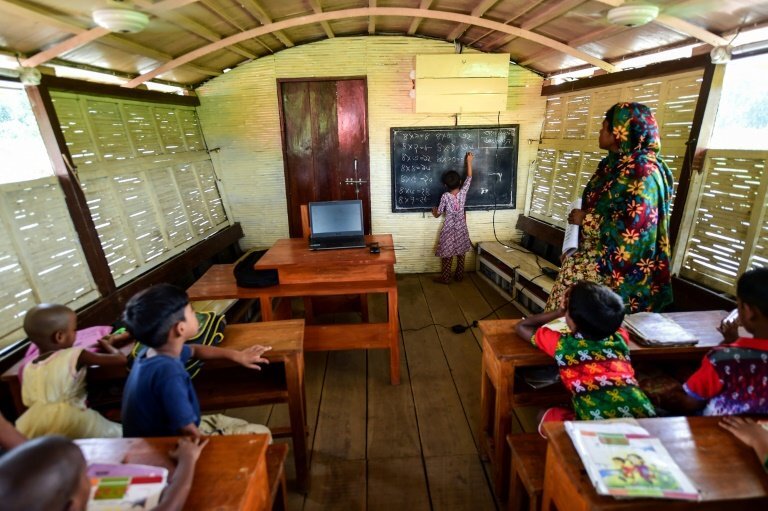
A floating school is a boat that works like a small learning hub. It can pick up learners from riverbank stops, bring them to a stable learning space, and then return them home—often while carrying books, teaching materials, and basic digital tools.
The goal is not novelty. It is continuity: keep learning reachable when the environment changes.
Why it matters for climate learning
Climate change is not only a topic to memorize. In flood‑prone areas it is lived reality. Floating schools create a place where learners can connect everyday experience (water levels, storms, crop impacts, safe drinking water) to practical knowledge and skills.
What makes it resilient
- Mobility: if one route becomes unsafe, the learning hub can adjust where it docks and who it serves.
- Low dependence on fixed infrastructure: the classroom is not tied to a single building or road.
- Useful payload: learning materials, devices, and support can travel together.
- Community‑first operations: schedules and stops work best when they match real family routines and local safety conditions.
What learners do on board
The most effective programs combine formal education support with applied problem solving. Examples of learning activities that translate well across contexts include:
- Climate basics: weather vs climate, local flood dynamics, and practical safety.
- Water and health: hygiene, safe storage, and contamination awareness.
- Stewardship: waste reduction, plastic management, and protecting local ecosystems.
- Digital confidence: using learning content responsibly and safely where connectivity is limited.
Lessons i4E can apply to campus connectivity
Even when we are not working on boats, the underlying design principle is the same: keep essential learning reachable through disruption.
- Design for interruption: assume power and backhaul outages happen; plan for “good enough learning access” anyway.
- Bring the library closer: local caching and offline‑friendly resources matter when the wider internet is unstable.
- Make learning services portable: a small, resilient “learning kit” (content, devices, and a managed gateway) can move between rooms, buildings, or shelters as needed.
- Prioritize safety and trust: learners need a predictable, safer path to learning content, especially during emergencies.
What this story is (and isn’t)
This report highlights a Bangladesh‑based resilience pattern—keeping education moving by adapting to water, not fighting it. It is not presented as a single i4E deployment record; it is a practical reference for designing education services that continue through disruption.